Overview
This work is part of a VIP research program centered on airfoil geometry generation, aerodynamic performance evaluation, and iterative design improvement. My role focused heavily on the computational pipeline that turns design variables into usable geometry and downstream analysis.
Motivation
Airfoil design often becomes slow when geometry creation, analysis, and comparison are disconnected. A workflow that links those steps makes it possible to evaluate more ideas, learn faster, and iterate with better structure.
My Engineering Contribution
I led development on the Python side of the workflow, helping create a system that:
- Accepts a compact set of NACA-style input parameters
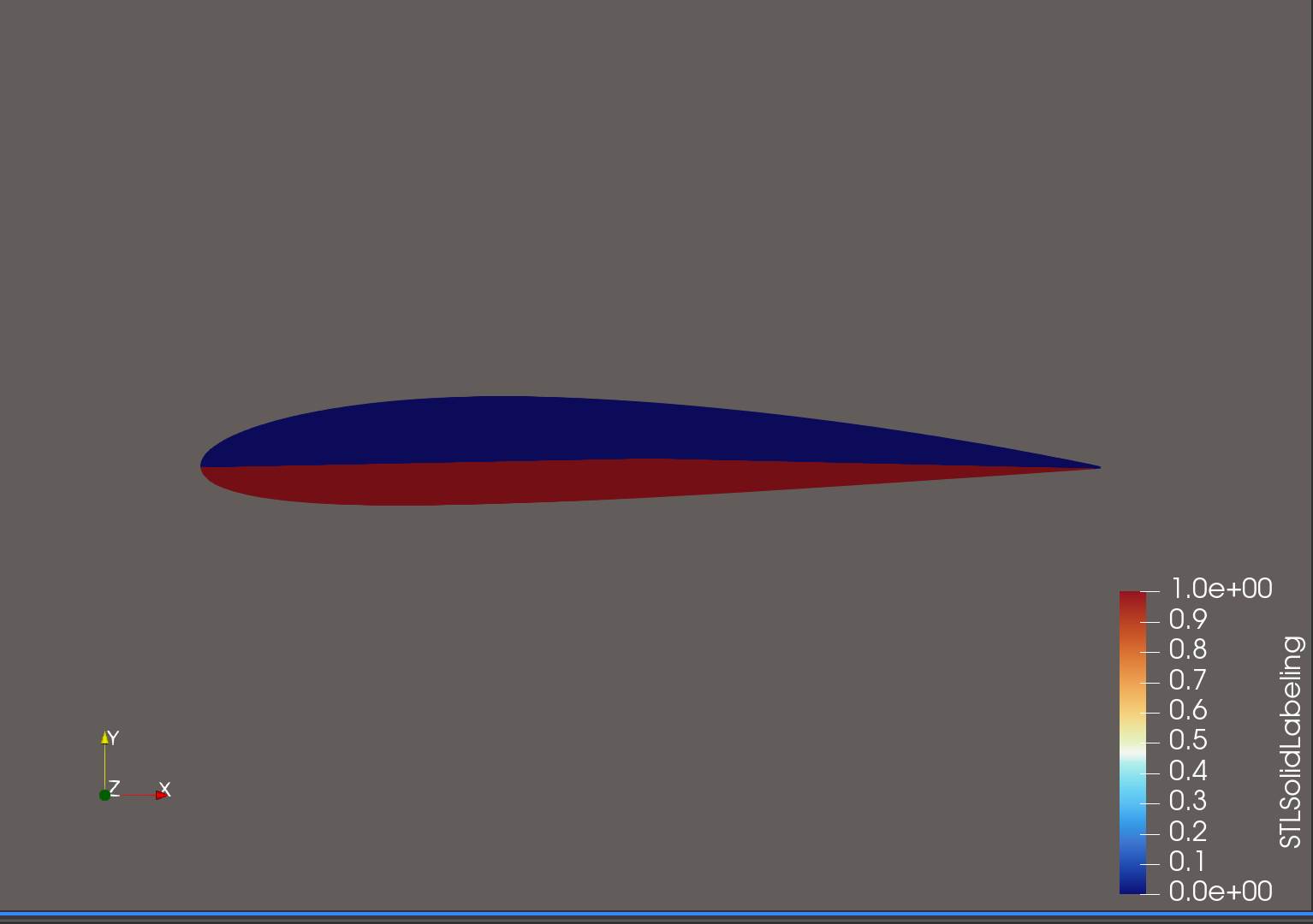
- Generates the corresponding airfoil profile automatically
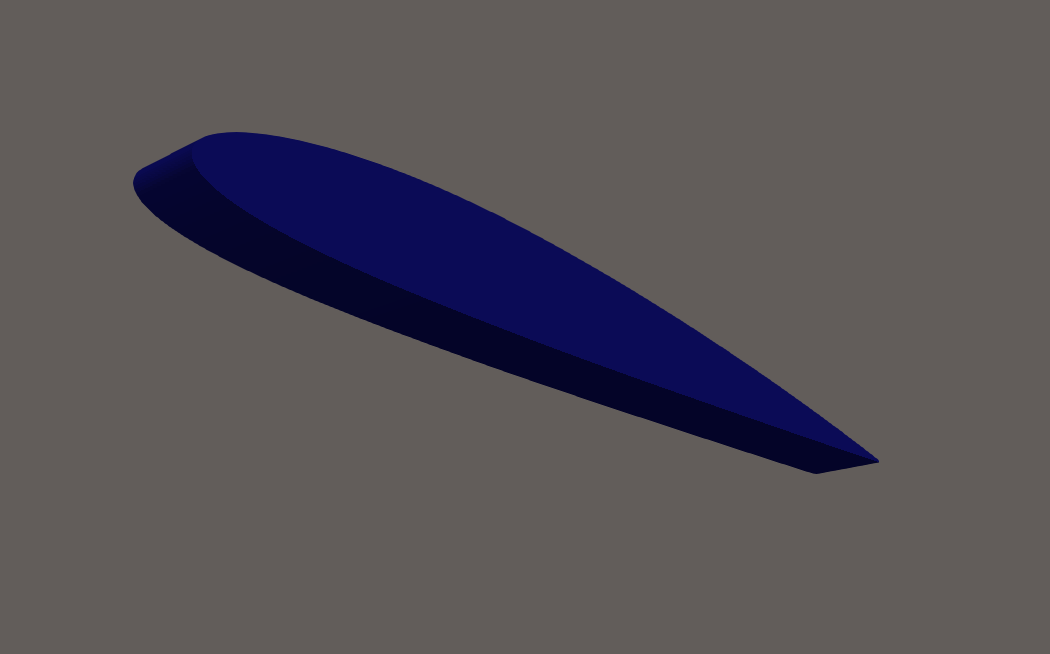
- Produces geometry suitable for downstream simulation or fabrication
- Supports rapid iteration for optimization and comparison studies
My Management Contribution
I led the whole team acting as Project Manager making sure that deadlines were being met and we were meeting the timelines set for us by:
- Using a Gantt Chart through Excel to track progress and upcoming steps that needed to be completed
- Reaching out to my team members through Microsoft Teams
Research Structure
The broader research effort combined four connected parts:
- Parametric geometry generation
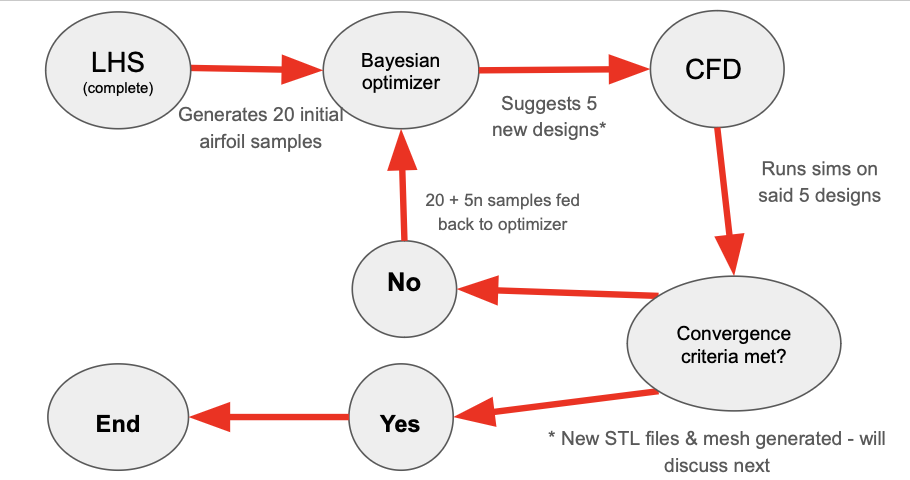
- Optimization and search logic
- CFD-based aerodynamic evaluation
- Wind tunnel testing for physical validation
Outcome
This is ongoing research that is hitting multiple fields and many duties having to be fulfilled all at once. This research will be completed by the fall of 2026, published, and possibly going to another research conference to present our optimizer to an aerospace focused community.